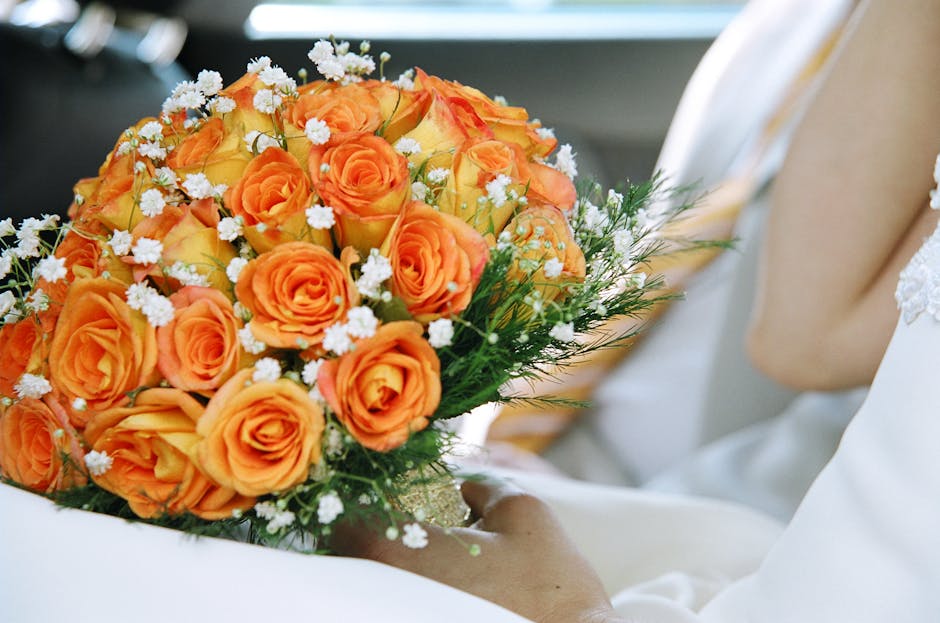
Harlington High Street florist guide for weddings and events
Posted on 26/09/2026
Planning flowers for a wedding or event sounds simple until you start making the actual decisions. Which flowers hold up best through a long day? What should go in the bridal bouquet, what belongs on tables, and what can be kept beautifully simple without looking bare? If you are looking for a Harlington High Street florist guide for weddings and events, this article walks you through the practical side of choosing floral arrangements that feel right, look polished, and fit the day you are planning.
Harlington has that useful mix of local convenience and London pace. People want flowers that are fresh, well arranged, and delivered on time, but they also want guidance that feels calm rather than salesy. Fair enough, really. Whether you are planning a small registry celebration, a big wedding breakfast, a church service, or a corporate event with a floral focal point, the choices can stack up quickly. This guide keeps things clear and grounded, with real-world advice you can actually use.
For readers who want to browse wedding-focused options straight away, it can help to start with the dedicated wedding flowers in Harlington UB3 range and then work backwards from your venue, colour palette, and budget.
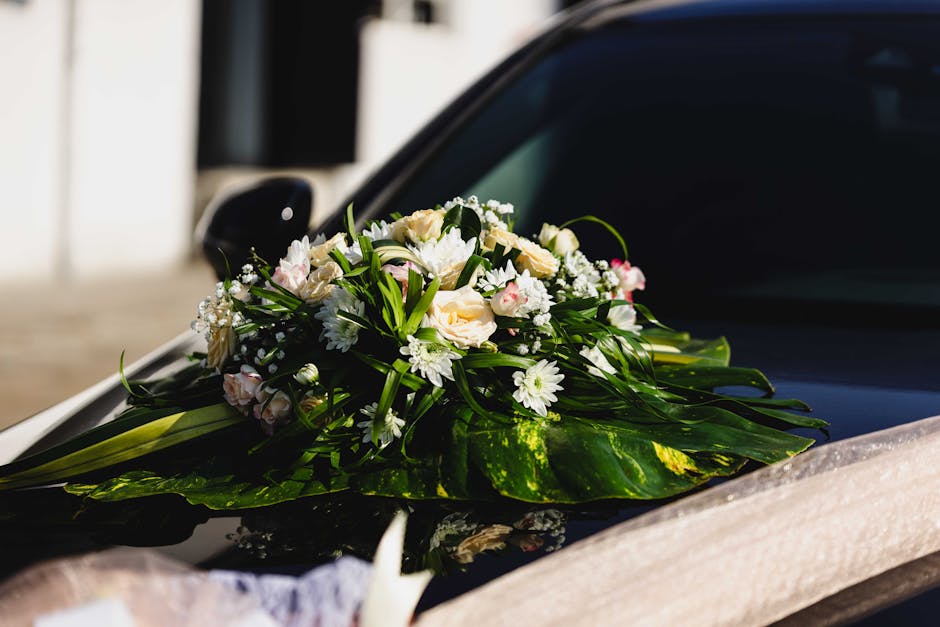
Table of Contents
- Why Harlington High Street florist guide for weddings and events Matters
- How Harlington High Street florist guide for weddings and events Works
- Key Benefits and Practical Advantages
- Who This Is For and When It Makes Sense
- Step-by-Step Guidance
- Expert Tips for Better Results
- Common Mistakes to Avoid
- Tools, Resources and Recommendations
- Law, Compliance, Standards, or Best Practice
- Options, Methods, or Comparison Table
- Case Study or Real-World Example
- Practical Checklist
- Conclusion
- Frequently Asked Questions
Why Harlington High Street florist guide for weddings and events Matters
Flowers do more than decorate a room. They set the tone before the speeches, soften a venue that feels a bit too plain, and pull a whole colour scheme together when the rest of the planning is still slightly in flux. That is why a local florist guide matters: it helps you make decisions that are not just pretty, but sensible.
For weddings, florals carry a lot of the emotional weight of the day. A bouquet is in every photograph. Buttonholes show up in close-up shots. Table arrangements become part of the guest experience. At events, flowers can either sharpen a theme or quietly support it. That distinction is easy to miss if you are browsing quickly online at 11pm, cup of tea going cold, trying to decide whether blush pink is "enough colour" for the room. It usually is, by the way.
Local knowledge helps because Harlington events often sit between practical London logistics and suburban venue expectations. You may need an arrangement that travels well, fits a smaller hall table, or arrives early enough to be set up before guests come in. A good florist understands that the prettiest design in the world is no use if it wilts, clashes with the venue lighting, or turns up late.
Expert summary: the best wedding and event flowers are the ones that suit the space, survive the schedule, and match the mood you want people to feel when they walk in.
If you are still comparing local florists, it can also help to look at the broader florist Harlington UB3 offering, especially when you want one provider for weddings, parties, sympathy flowers, and everyday deliveries.
How Harlington High Street florist guide for weddings and events Works
The process is usually more straightforward than couples expect, though there are still a few moving parts. In plain English, the florist takes your ideas, narrows them into workable options, and translates them into bouquets, arrangements, and installation pieces that fit the venue and timeline.
For weddings, the flow often looks like this:
- Start with the event style. Is it classic, modern, relaxed, romantic, rustic, or formal?
- Choose your key pieces. Bridal bouquet, bridesmaid bouquets, buttonholes, centrepieces, ceremony flowers, reception flowers.
- Set a palette. Think in combinations rather than single colours: whites and greens, blush and ivory, bold mixed tones, or seasonal shades.
- Match the flowers to the setting. A marquee, hotel ballroom, small restaurant, and church all need different approaches.
- Confirm practical details. Delivery window, setup time, removal of arrangements, and who is responsible for what.
For events, the same logic applies, but with the emphasis usually on branding, atmosphere, and guest flow. A corporate lunch may need neat, low table designs that do not block conversation. A birthday dinner might benefit from one statement arrangement rather than lots of small pieces. A wedding anniversary or engagement party often leans into softer, more romantic styling.
What people sometimes forget is that floristry is part design, part logistics. Fresh stems need space, water, and careful handling. If the event is in the afternoon and the flowers are going out in the morning, they need to travel well and still look lively several hours later. That's the bit you don't always see from the outside.
Key Benefits and Practical Advantages
There are several reasons people choose a Harlington High Street florist for weddings and events instead of trying to piece everything together themselves.
- Local convenience: easier communication, simpler collection or delivery, and a better sense of what local venues typically need.
- Tailored styling: arrangements can be adjusted to match your flowers, colour palette, and venue layout.
- Time savings: you avoid the scramble of sourcing multiple items separately.
- Consistency: bouquets, buttonholes, and table flowers can feel like part of the same story rather than separate ideas.
- Practical support: you get help with timing, flower choice, seasonal availability, and transport.
- Better balance for budget and impact: a florist can show where to spend more and where a simpler choice works perfectly well.
One of the biggest advantages is knowing what not to do. Not every event needs tall arrangements. Not every wedding needs expensive blooms in every corner. Sometimes a few carefully chosen pieces carry the whole room. Truth be told, restraint often looks more expensive than excess.
If your event includes a wider mix of flowers beyond the wedding day itself, you might also use the wider seasonal and occasion ranges such as luxury flowers or best-selling arrangements as inspiration for style, size, and colour balance.
Who This Is For and When It Makes Sense
This guide is useful if you are planning any occasion where flowers need to look intentional, not just added at the last minute. That includes weddings, engagement parties, anniversaries, private dinners, christenings, corporate receptions, award evenings, and milestone birthdays.
You will find it especially helpful if you are:
- choosing a florist for a wedding ceremony and reception
- trying to keep a set budget without losing the overall look
- working around a venue with limited setup time
- planning flowers for a mix of table sizes and room layouts
- looking for arrangements that travel well and last through the event
- comparing simple event styling with fuller decorative packages
It also makes sense for people who are not especially flower-savvy. No shame in that. Most people are not. You might know you want something soft and romantic, but not know whether that means roses, lisianthus, orchids, or a mixed arrangement. A good florist can translate the feeling into a practical flower choice.
For couples organising bridesmaid and bridal pieces together, dedicated collections such as the I Cherish You wedding collection can be useful because they keep the look coordinated across multiple items.
Step-by-Step Guidance
Here is the simplest way to plan wedding or event flowers without getting overwhelmed. Small steps. Better decisions. Less stress.
- Define the occasion. A wedding breakfast, civil ceremony, garden party, or corporate dinner each calls for a different floral mood.
- Set the visual brief. Bring colour ideas, venue photos, dress samples, invitation artwork, or even a screenshot of a room you liked.
- Choose your priority pieces. For weddings, these are usually the bridal bouquet, bridesmaid bouquets, buttonholes, and ceremony or reception flowers.
- Decide where flowers will be seen most. Guests notice entrance florals, top tables, registrars' tables, and dining tables first.
- Check seasonal availability. Some blooms are easier to source at certain times of year. A florist can suggest alternatives if a favourite flower is impractical.
- Confirm quantities and sizes. A single statement vase may be enough for a smaller table, while a larger hall might need grouped arrangements.
- Plan delivery and setup. Make sure flowers arrive early enough to settle into the venue before guests do.
- Review the finish. Ask how arrangements will be packaged, hydrated, or displayed so nothing is left to guesswork.
A practical example: if your ceremony is in the morning and reception photos happen in the afternoon, you need flowers that look fresh under different light. Soft white roses and mixed greens may read beautifully in daylight, while deeper tones can create drama for evening lighting. Same room, different mood. That is part of the fun, honestly.
And one more thing. If you are planning the flowers alongside gifts or add-ons, it can be handy to browse related options like wedding gifts so the florist order and gift ordering don't end up on two separate mental piles. Those piles get messy fast.
Expert Tips for Better Results
Most flower plans improve dramatically with a few small, smart choices. Nothing dramatic. Just the kind of details that make arrangements feel considered rather than generic.
1. Think in texture, not just colour
People often choose flowers by colour alone, but texture matters a lot. A bouquet with roses, lisianthus, and foliage feels softer and more layered than one made from a single bloom type. For events, that extra texture helps arrangements look richer from a distance too.
2. Match the scale to the venue
A big arrangement in a small room can feel pushy. A tiny vase in a grand space can disappear. If you are unsure, ask for examples that suit the venue type rather than the event name alone. That little shift makes a real difference.
3. Use one repeated flower or colour thread
This is a simple design trick: repeat one element in several places. Maybe it is white roses in the bouquet and centrepieces, or one shade of pink across table flowers and buttonholes. It helps the whole event feel pulled together.
4. Choose flowers that behave well on the day
Some flowers are more delicate than others. If the event is long, warm, or involves travel, ask for options that hold shape well and do not bruise easily. This is especially useful in summer or during busy venue turnarounds.
5. Keep a backup plan for practical realities
Floristry is full of lovely surprises, and a few not-so-lovely ones too. Traffic, venue access, and timing changes happen. So do tiny weather shifts that can alter how arrangements look. A florist who is used to that rhythm will usually build in a bit of breathing room.
For a calmer experience, people often prefer a florist-led approach where the designs are already set out in tidy collections. You can browse options such as wedding collections and then refine from there instead of starting with a blank page. Blank pages, let's face it, are the worst.
Common Mistakes to Avoid
Most flower problems are not dramatic disasters. They are small misjudgements that add up. The good news? They are easy to avoid once you know what to watch for.
- Leaving flowers too late: popular wedding dates fill quickly, and event lead times can shrink fast.
- Choosing looks without checking venue fit: what looks good in a shop may not suit your room's lighting or table size.
- Ignoring transport and timing: delicate pieces need careful handling and realistic delivery windows.
- Mixing too many styles: romantic, tropical, rustic, and modern can clash if they are not anchored by one clear idea.
- Over-ordering small pieces: sometimes too many minor arrangements make the setting feel cluttered rather than elegant.
- Skipping the practical brief: a florist needs to know if flowers must be moved, reused, or taken home after the event.
There is also a subtle mistake people make when comparing prices: they compare the bouquet they can see with the service they cannot. Setup, conditioning, design time, delivery, and room knowledge all matter. Cheap can work for some uses, of course, but for weddings and larger events, cheap and cheerful is only useful if it is still reliable.
If budget is tight, it may be better to simplify the design and choose stronger stems rather than cutting corners on delivery or setup. A neat, well-balanced arrangement often beats something oversized that arrives looking tired.
Tools, Resources and Recommendations
You do not need specialist tools to plan flowers well, but a few practical resources make the process easier. Keep it simple. That tends to work best.
- Venue photos: bring clear pictures of the ceremony space, tables, entrance, and any focal point areas.
- Colour references: fabric swatches, invitation artwork, or screenshots are surprisingly helpful.
- Guest list or table plan: this helps decide how many centrepieces you actually need.
- Schedule notes: delivery timing, registrar time, speeches, meal service, and photography moments.
- Flower inspiration pages: the store's bridal and wedding ranges can help you compare bouquet styles before you choose.
For example, if you like softer romantic styling, bridal options such as the I Cherish You bridal bouquet or matching bridesmaid bouquets can help you visualise the overall effect before you commit to a full order.
For buttonholes, corsages, and table florals, browsing linked pieces can make decision-making much easier than trying to imagine everything at once. A small example: a groom's buttonhole that echoes the bouquet colours can quietly tidy up the whole visual story without shouting about it.
If you are planning flowers for a company event or team function rather than a wedding, useful supporting pages such as corporate accounts may also be relevant if you need repeat orders, invoicing, or regular floral provision.
Law, Compliance, Standards, or Best Practice
For most wedding and event flower orders, the main concerns are less about formal regulation and more about clear commercial practice, safe handling, and respectful service. That said, there are still a few standards worth keeping in mind.
First, delivery and collection expectations should be agreed clearly. If flowers need to arrive before venue access opens, that should be discussed early. If arrangements are being installed in a licensed venue, church, hotel, or private hall, the florist should know any setup rules, access restrictions, or time limits. This is normal best practice in the UK, and it avoids the sort of awkward last-minute rush nobody enjoys.
Second, freshness and care matter. Flowers are living products. They need correct conditioning, water, packaging, and handling. A reliable florist should be able to explain how arrangements are kept fresh and what to do if you need to keep them looking good for longer. Basic flower care guidance is part of good service, not a bonus.
Third, if you are ordering for a public or workplace event, it is sensible to think about accessibility and safety. Avoid blocking walkways, exits, or table conversation spaces. Tall displays should be stable. Fragrant flowers may need careful placement in smaller rooms. That's common sense, but it's worth saying out loud.
It is also wise to read the retailer's policies around delivery, returns, and refunds before ordering. For example, a florist's delivery information, returns and refund terms, and terms and conditions can help you understand what is covered and what is not. That kind of clarity is reassuring, especially when the day matters.
For sustainability-minded couples and event planners, looking at the florist's sustainability information is a sensible extra step. You may not need a perfect answer on every detail, but it helps to know the florist is thinking carefully about materials, sourcing, and waste.
Options, Methods, or Comparison Table
Different flower choices work better for different parts of a wedding or event. Here is a straightforward comparison to help you decide where each style tends to fit best.
| Option | Best for | Strengths | Watch-outs |
|---|---|---|---|
| Bridal bouquet-led styling | Weddings, photos, intimate ceremonies | Strong visual focus, easy to coordinate | Needs matching bridesmaid and buttonhole choices for best effect |
| Table-centred arrangements | Receptions, dinners, corporate events | Flexible, practical, good guest experience | Must suit table size and conversation space |
| Statement entrance or ceremony pieces | Photo moments, venue focal points | High impact, memorable, good for first impressions | Can be expensive if overdone |
| Simple coordinated package | Smaller weddings, budget-conscious events | Cost-effective, easy to manage, neat finish | Needs careful colour matching so it doesn't look too plain |
In practice, many people combine methods. A smaller wedding might use one statement bouquet, modest buttonholes, and clean table flowers. A corporate launch might choose a handful of bold arrangements in key areas rather than filling every surface. The trick is to spend where the eye naturally goes.
Case Study or Real-World Example
Here is a realistic scenario based on the kind of planning many Harlington customers do.
A couple booking a late-spring wedding in UB3 wanted the day to feel soft and elegant without tipping into overly formal. The ceremony space was compact, the reception tables were fairly close together, and they needed flowers that looked good in both daylight and the warmer evening lighting later on. They began with a bridal bouquet, matching bridesmaid bouquets, groom buttonholes, and a modest set of table arrangements. No giant displays. Just neat, coherent, and well-placed flowers.
At first, they considered a lot of different colour ideas. Pink, white, lilac, maybe even a little yellow. Then they trimmed the palette back to a calmer mix with repeated white and blush tones, plus greenery to give the arrangements shape. That change alone made the whole design feel more polished. Not bigger. Better.
What worked well was keeping the flower plan connected across the day. The bouquet informed the table flowers. The buttonholes echoed the bouquet detail. The venue felt decorated without being crowded. And because the arrangements were chosen with setup and travel in mind, everything still looked fresh when the last photos were taken. Simple, but effective.
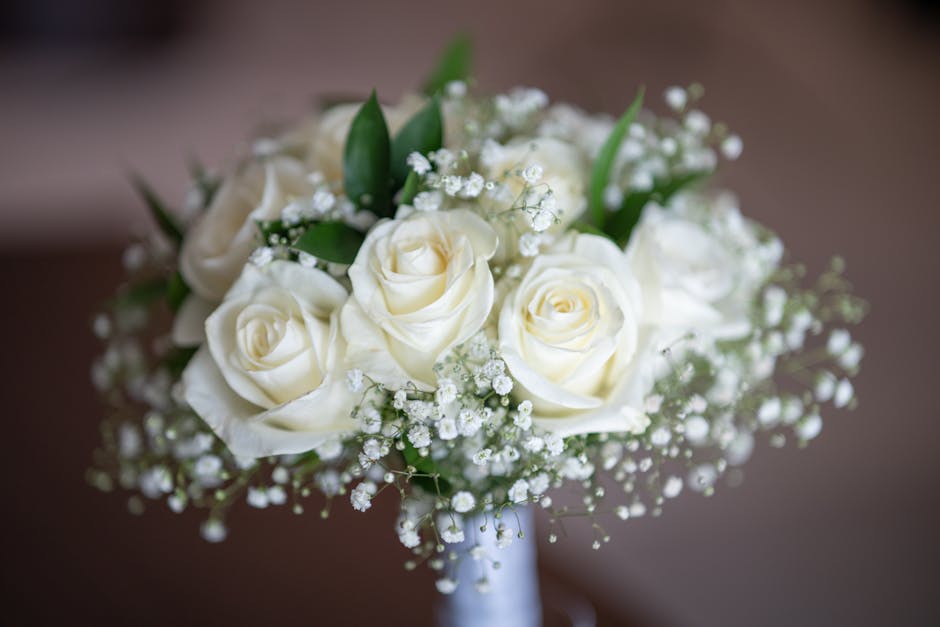
If you are planning something similar, browsing styles like White Wonders bridal bouquet or True Happiness bridesmaid bouquet can help you settle on a visual direction before you finalise the full order.
Practical Checklist
Use this checklist before you confirm your wedding or event flowers. It saves time later, honestly.
- Have you confirmed the event date, venue, and start time?
- Do you know which flower pieces you actually need?
- Have you decided on your colour palette or theme?
- Have you checked whether the venue has any setup restrictions?
- Do you know where the flowers will be displayed?
- Have you thought about whether flowers need to be reused between spaces?
- Do you need bouquets, buttonholes, corsages, table arrangements, or all of the above?
- Have you reviewed delivery timing and access arrangements?
- Have you asked about freshness, care, and packaging?
- Have you checked the florist's policies and payment terms?
Quick practical tip: if you can answer those ten points clearly, your order is probably in good shape. If not, pause and tidy up the brief before placing it.
Conclusion
Choosing flowers for a wedding or event is really about choosing how the room should feel. Calm, romantic, elegant, joyful, polished, or quietly luxurious. A Harlington High Street florist can help turn those ideas into arrangements that work in the real world, not just on a mood board.
The best results come from clear priorities, simple coordination, and a florist who understands both design and logistics. Keep your venue in mind, be honest about budget, and choose flowers that suit the day rather than fighting it. That usually leads to something far more beautiful than trying to include everything at once.
If you are still shaping your plans, start with the pieces that matter most, then build from there. That way, the flowers support the day instead of taking over your to-do list. And that, to be fair, is the sweet spot.
Get a free quote today and see how much you can save.
In the end, good flowers do more than decorate a space. They help people remember how the day felt, and that's the bit that stays.
Frequently Asked Questions
What should I order first for wedding flowers?
Start with the bridal bouquet, bridesmaid bouquets, and buttonholes. Those are the pieces most likely to appear in photos and usually define the rest of the design.
How far in advance should I book flowers for a wedding?
As early as you can, especially if your date falls in a busy season. Larger events and Saturday weddings tend to need more lead time because the florist needs to reserve design and delivery space.
Can I keep wedding flowers simple and still make them look elegant?
Yes. In fact, simple arrangements often look very elegant when the colours are coordinated and the scale suits the venue. A few well-chosen pieces usually beat lots of mismatched ones.
What flowers work best for event tables?
Low, stable arrangements are usually best for tables because guests can talk across them comfortably. Mixed blooms with some greenery are a common choice, but the right option depends on the table shape and room size.
Are seasonal flowers better for weddings and events?
Often, yes. Seasonal flowers can be easier to source and may feel fresher and more natural in the design. That said, the best choice also depends on your colour scheme and the flowers you personally love.
How do I know if a bouquet will suit my dress or venue?
Bring photos of both. A florist can then judge scale, colour, and style against the dress fabric and the venue setting. It's a simple step that saves a lot of guessing.
Can one florist handle both wedding and event flowers?
Usually yes, and it can be helpful if the same team is managing multiple parts of the order. The key is to make sure they understand the differences between a formal wedding setup and a practical event display.
What if I'm not sure about the colours?
Start with one anchor colour and one neutral. For example, blush and ivory, white and green, or purple and cream. From there, a florist can suggest shades that complement rather than clash.
Do I need buttonholes and corsages as well as bouquets?
Not always, but they do help create a finished look. Buttonholes work especially well when the wedding party is fairly formal or when you want a consistent visual thread through the photos.
How can I stay on budget without making the flowers look cheap?
Focus on fewer, better-placed arrangements. Use one or two hero pieces, choose flowers that suit the season, and avoid overloading the room with small, disconnected items. Good structure matters more than sheer quantity.
What should I check before finalising my flower order?
Confirm delivery time, venue access, flower types, arrangement sizes, setup responsibility, and any policy details that affect changes or refunds. A quick review now can prevent last-minute stress later.
Are flower delivery and event setup handled differently?
Yes, usually. Delivery means the flowers arrive at the right place and time; event setup may also include placing arrangements in specific positions or coordinating with the venue. Always check what is included so there are no surprises.